
Best Practices for Concrete Work during Cold Weather | Concrete Restoration
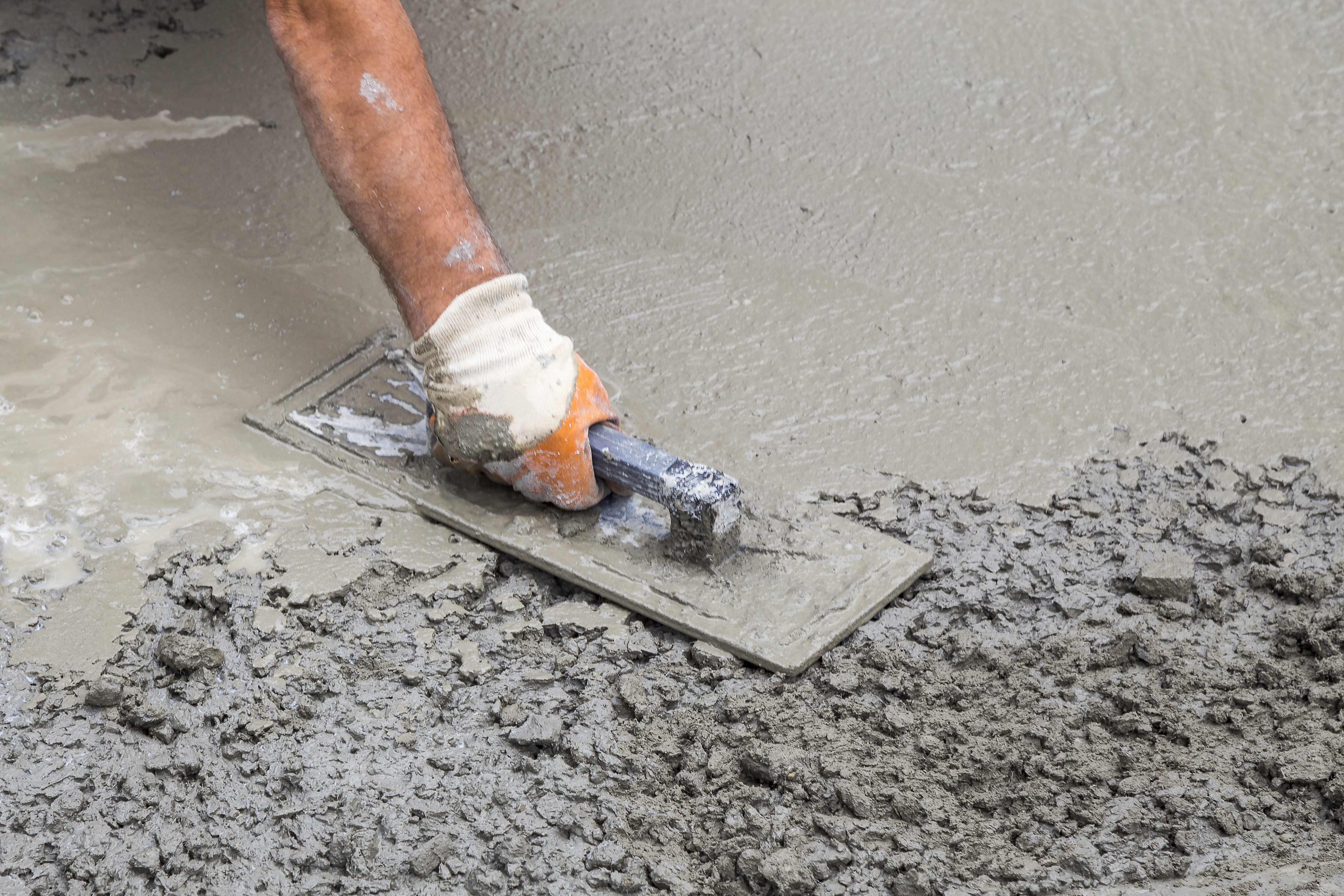
With record cold temperatures sweeping across the United States this winter, cold temperature is at the forefront of most people's minds.
As a building owner or property manager, you've likely been thinking about how the weather will be affecting your properties.
If you're in the middle of a construction or repair project, cold weather can grind any work to a complete halt. However, once you know the challenges of cold weather concreting, you can take steps to account for them.
According to Whitecap.com, "The American Concrete Institute (ACI) defines cold weather concreting as "a period when the ambient temperature is below 40°F (5°C) for three days or more." The temperature is calculated as an average of the highest and lowest temperature from midnight to midnight."
Some challenges to overcome related to cold weather concreting are:
- Formation of ice crystals: Ice crystals can stop the hydration process during cold temperatures. If ice crystals slow the creation of calcium silicate hydrate during hydration, the concrete won't be as strong.
- Increasing set times: Concrete set times are longer in cold weather, so make sure you take this into account during the planning stage. Set times at 30 degrees F can be twice as long as they are at 50 degrees F!
- Cracking: Concrete placed on cold ground can cause cracking. When temperatures warm up, the ground beneath the set concrete thaws and settles. It can shift and cause surface cracks.
What can you do to make sure your concrete work is worth the time you spend on the project? Knowing how to handle cold weather conditions will ensure your project doesn't face costly setbacks.
We recommend adjusting the mix design to offset the impact of cold weather. Use type III cement (its finer, reacting faster to speed up the hydration process), where strength losses from ice crystals can be counteracted.
Additionally, consider accelerating admixtures which speed up the drying/hydrating process to counteract the impact of the weather. Calcium chloride, sodium nitrate, and calcium nitrate are good options (though calcium chloride shouldn't be used in reinforced concrete). We also recommend keeping the concrete mix warm with heaters and blankets.
The IEI Advantage: Concrete Restoration
The engineers at IEI specialize in concrete restoration! We're happy to walk your facility and let you know of any conditions that require immediate attention and what maintenance activities you can perform now to extend the life of your facility. Since the back of IEI business cards contain a crack gauge, one can easily evaluate cracks within your structure. Give us a call today!