Winter Preparedness Checklist | Parking Structure Inspection
Is your facility prepared for winter?
Winter can be a challenging season for property owners and building managers. Inclement weather can strike without notice, and if you're not prepared, your building and occupants could suffer costly damage.
As the seasons change and temperatures drop, make sure you plan adequately and take these essential steps for winter preparedness:
- Emergency Preparedness: While the following activities ahead of winter will minimize the likelihood or magnitude of unforeseen losses, not having an "Emergency Preparedness Plan" in place can be considered negligence. While insurance typically covers property losses, it likely does not cover lost revenue of affected tenants which can be much more than the cost to repair property damage.
- All actual tenants should be notified before winter threats, such as low temperatures, of steps to be taken to minimize losses to them and other tenants. This may include ensuring unheated spaces are either insulated and heated and/or the affected plumbing lines either drained or heated with heat tape and fire sprinkler lines heated with heaters or heat tape. Also, ensure heaters and heat tape are actually functioning correctly.
- On-Call Property Manager(s) should be identified and be available 24/7, including holidays.
- On-Call Service Provider(s) should be identified and available 24/7, including holidays. Service providers should be familiar with where all utility shut-offs are located.
- A current list of emergency contacts with backups for owners, managers, tenants, utilities, and on-call personnel should be made available and distributed to all tenants and owners.
- Keys for each tenant space should be kept by the property owner or manager and be available to the On-call Property Manager and service providers.
- Winterize Cooling Systems: For facilities that take their cooling systems out of service for the winter, ensure they properly cleaned, drained, and maintained. Otherwise, ensure your system is protected against freezing.
- Test Heating Systems: Ensure heating systems are functioning properly. Replace filters utilizing high efficiency filters and consider cleaning ductwork and installing a UV sanitizer to minimize the spread of viruses. Also, bringing in more air from the outside can help dilute the number of viral particles in the air. This may cause higher energy bills, but the payoff is healthier, safer employees and guests.
- Test Emergency Generator: Service and test emergency generators. Ensure you have the appropriate amount of fuel, and that fuel is tested periodically to determine if fuel polishing is required to keep the fuel clean and free of contaminants.
- Shut-Off Landscape Sprinklers: Shut off and completely drain irrigation systems.
- Inspect Building Envelope: Visually inspect the roof paying particular attention to areas where work has been done, loose flashing, debris removal from roof, drains and gutters. Visually inspect the façade of your building paying particular attention to doors and windows. Avoid having to fix a roof, door, or window leak in the middle of a winter storm.
- Snow and Ice Removal: Have On-Call Service provider(s) available 24/7 for snow and ice removal. Have them work overnight as required to remove snow and ice before occupants arrive each morning. The property owner usually has 48 hours to remove the accumulation of snow or ice to avoid being sued for a slip and fall. If this is done in-house, the property owner or manager should make sure equipment is available and has been serviced, ice melt is available, and shovels and snow blowers are ready. Ice melt such as Calcium Chloride, Magnesium Chloride, and Calcium Magnesium Acetate are not harmful to concrete. Rock salt (sodium chloride) is often the first deicing agent turned to because it's inexpensive and effective. However, it's very corrosive and can cause significant damage to concrete surfaces and even pose a threat to pets and plant life. Also, ensure winter wear is available to your workers.
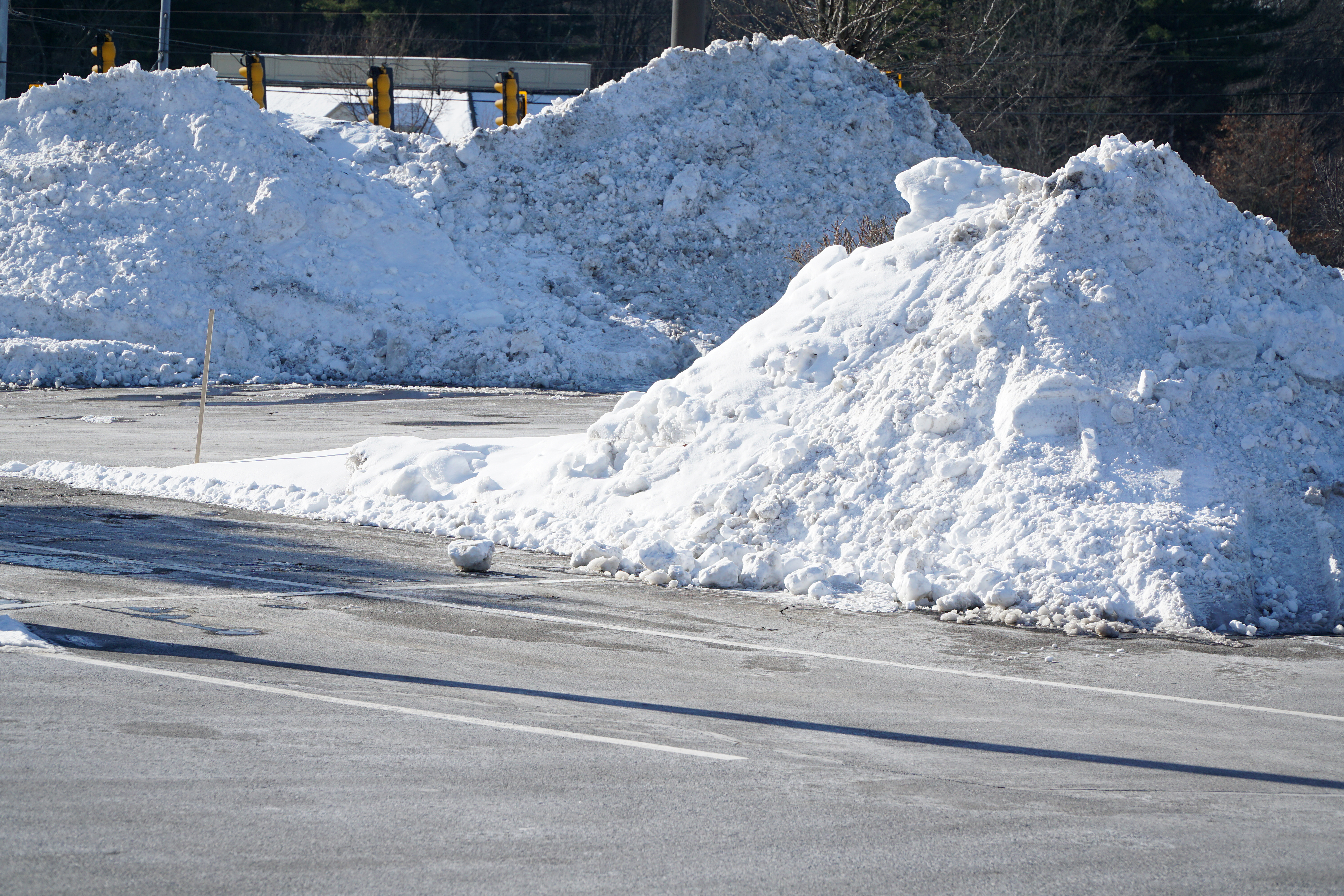
- Parking Lots & Structure: often overlooked but equally important is your parking lots and structures. Ensure drainage is clear and unobstructed. Install snow stakes at parking lots and drives to minimize damage to landscaping by snow removal equipment. Plan where snow is to be stockpiled or hauled off, so you don't overload your parking structure.
Proactively engaging in good, thorough winter preparation can help facility staff and occupants stay healthier, safer, and more comfortable while avoiding significant repair, displacement, and lost revenue costs.
Here is a free download of our winter preparedness checklist:
The IEI Advantage
Innovative Engineering Inc. has been a trusted resource to some of the largest property owners and managers across the United States for over 25 years.
Our passion is showing real estate professionals how to self-inspect their facilities in order to reduce repair and replacement costs and know when to call in an expert. Our engineers are glad to walk your facility, including parking structure inspection, let you know the condition, what and when repairs or replacement are necessary, and provide reports with construction costs and recommend quality contractors to perform the work.
 Winter Preparedness Checklist